When a Club Should Get a Peer Review of Another Architect's Plans
A peer review is a second, independent set of eyes on a golf course plan before the money is spent building it.
September 23, 2026 · 4 min read
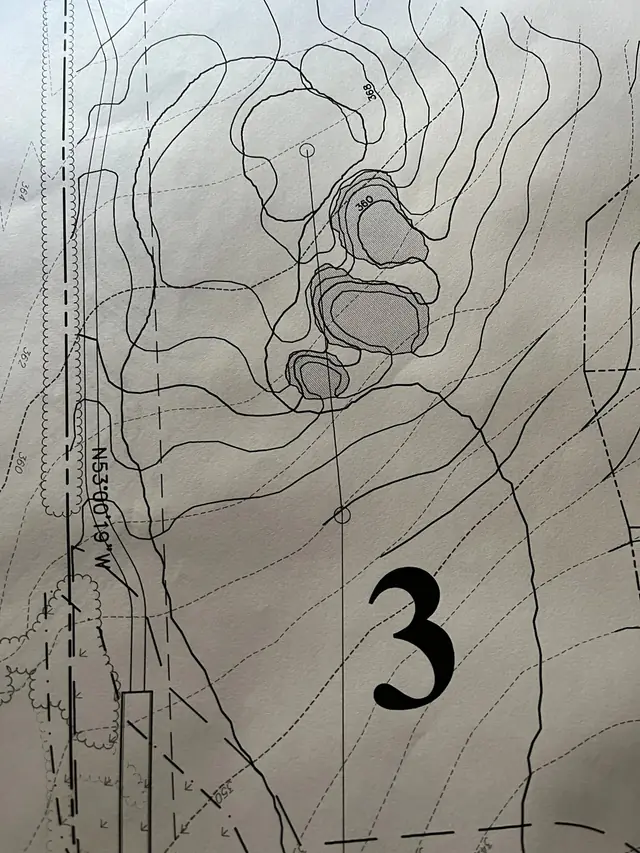
A green committee that has just received a finished set of plans from an architect, sometimes a well known one, is not always in the best position to judge whether those plans are actually right for the course. That is not a knock on the committee. It is a genuinely hard thing to evaluate from drawings alone, and it is exactly the situation a peer review exists to help with.
What a peer review actually is
A peer review is a second golf course architect examining another architect's plans before construction begins, checking the routing, the strategy behind each hole, the grading approach, and the overall fit between the design and the property. It is not a rubber stamp and it is not a rivalry exercise. It is a professional second opinion, the same reason a serious construction project gets an independent structural review before the concrete is poured. Mellett Golf Course Design offers peer reviews specifically of plans from ASGCA member architects and celebrity golf course designers, the kind of work that carries a big name attached but still benefits from an outside read before a club commits to building it.
Why a big name on the plans is not a substitute
A recognizable name on a set of plans tells a committee about reputation. It does not, by itself, confirm that the routing fits this specific property, that the strategy of each hole holds up once it is actually built, or that the construction budget lines up with what the design actually requires. Every course sits on different ground, with different drainage, different soil, and different constraints, and even an experienced architect's design intent can drift from what the site needs without a second party checking the fit.
When to bring in a second opinion
- Before construction dollars are committed, while changes are still cheap to make on paper
- When a board is split on whether a proposed design is right for the club
- When the project involves unusual site constraints, steep slopes, restrictive zoning, or difficult drainage, that a general review might not catch
- When the club is presenting a plan to municipal or zoning authorities and wants an independent read before that presentation
What a review looks like in practice
A peer review does not throw out the original plans or start over. It examines what is there, flags anything that raises a real question, whether that is a routing choice, a drainage approach, or a strategic weakness in a specific hole, and gives the club a written, independent opinion to weigh alongside the original architect's own explanation. From there the decision stays with the club: proceed as planned, ask the original architect to address specific points, or make changes before construction starts. Either way, the club is making that call with a second professional's judgment in hand instead of relying on one perspective alone.
Why this is different from questioning the architect's competence
Boards sometimes hesitate to request a peer review because it can feel like an accusation, as though asking for a second opinion implies the first architect got something wrong. In most cases that is not what is happening. Golf course design involves hundreds of interconnected decisions, routing, grading, drainage, agronomy, construction sequencing, and even a very good architect can miss something that a fresh, independent read catches simply because a second person is looking at the plan without the accumulated assumptions of having drawn it. Framing a peer review as due diligence, the same standard any serious capital project deserves before construction, tends to land better with both the board and the original architect than framing it as an audit.
What happens after a review raises a question
A peer review is only useful if the club is prepared to act on what it finds. If the review confirms the plan is sound, that confirmation itself has value, it gives the board confidence to move forward with construction dollars. If it flags a real concern, the club has options: go back to the original architect with the specific question, request a revision to that part of the plan, or in rare cases decide the design needs a more substantial rework before it goes to bid. None of those outcomes requires starting over. The point of the review is simply to make sure the decision to proceed is an informed one, made with a second professional opinion in hand rather than the original plan taken on faith.
Getting a second opinion
If your board is weighing a set of plans and wants an independent architect's read before committing to construction, Mellett Golf Course Design, based in Salisbury, North Carolina, performs peer reviews of ASGCA and celebrity designer plans alongside its own design work. Contact John Mellett at 704.877.5600 or john@mellettgolfdesign.com to talk through what a review of your plans would involve.
Mellett Golf Course Design, 704.877.5600
Call 704.877.5600More articles
What a Routing Plan Is, and Why It Comes First
A routing plan is the decision that every other decision on a golf course gets built on top of, and it has to come before anything else.
Reading a Renovation Master Plan: Current vs. Proposed
A renovation master plan is really two drawings in one: what a hole is doing wrong today, and exactly what changes to fix it.